Product Parameters


A Culinary Journey to the Philippines

Product Details
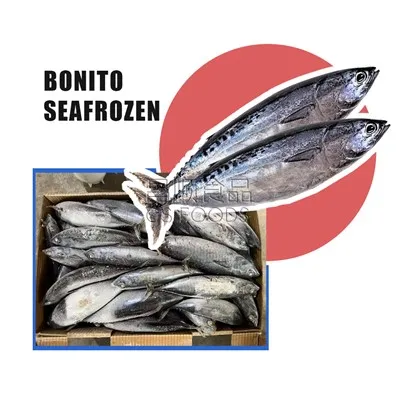
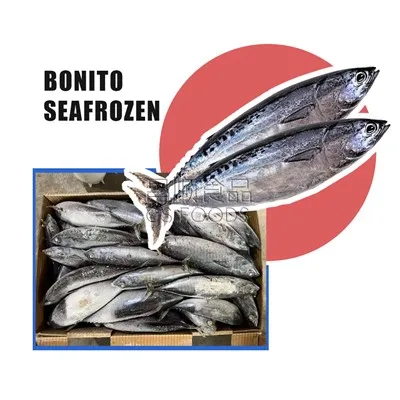
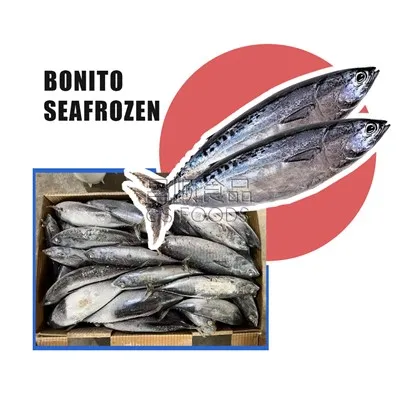
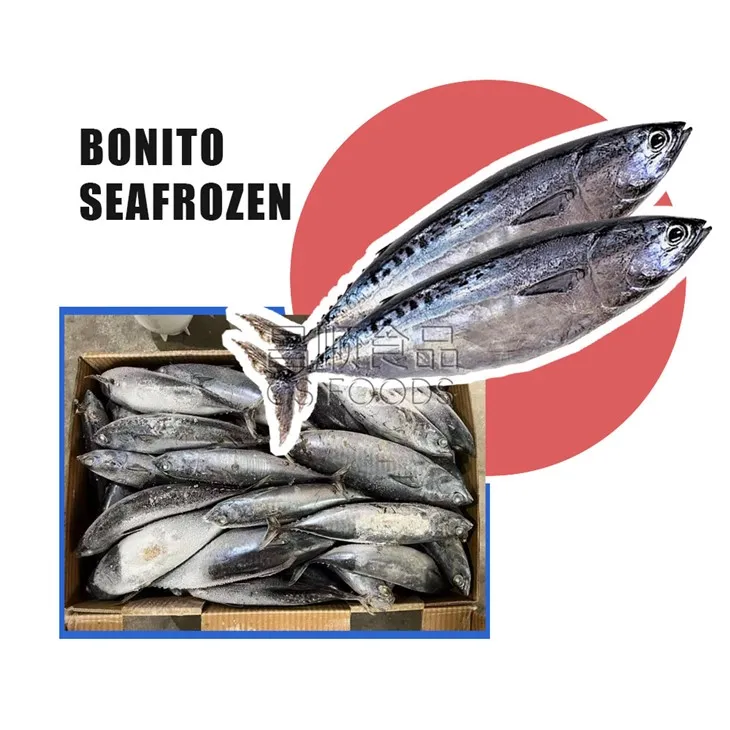
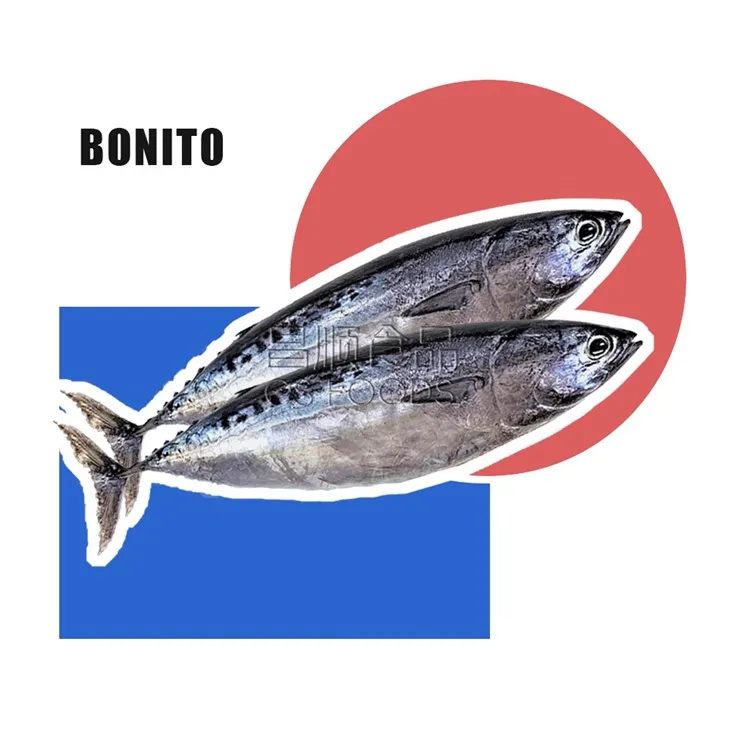
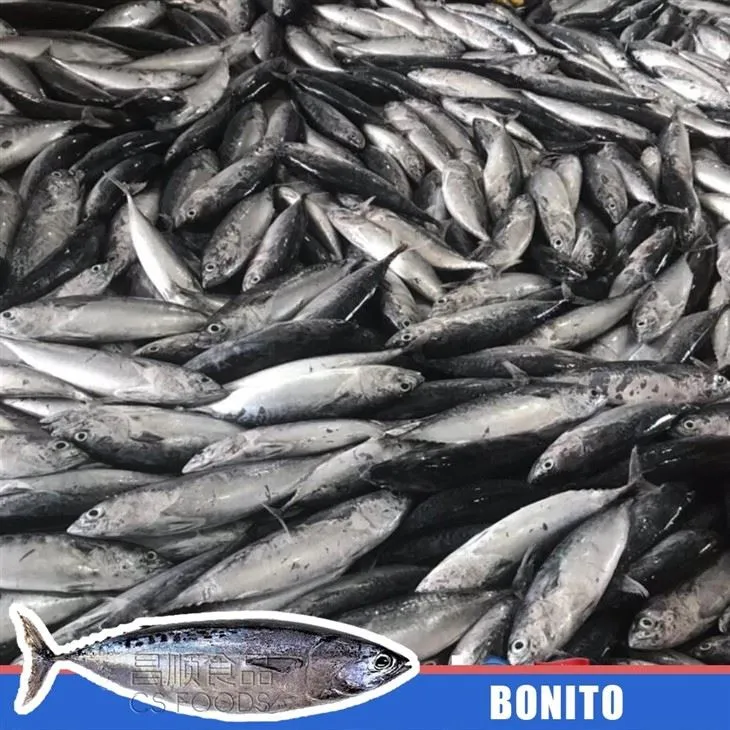
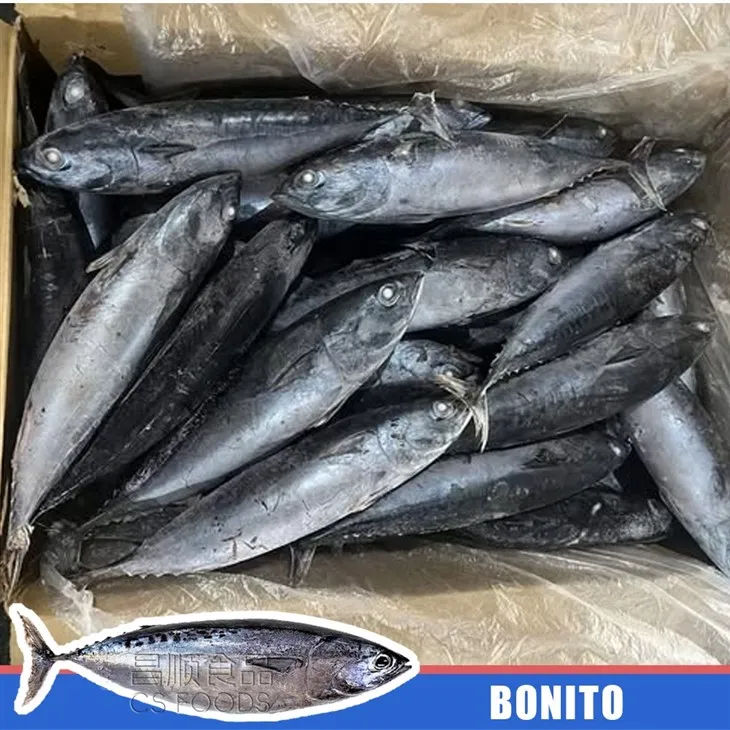
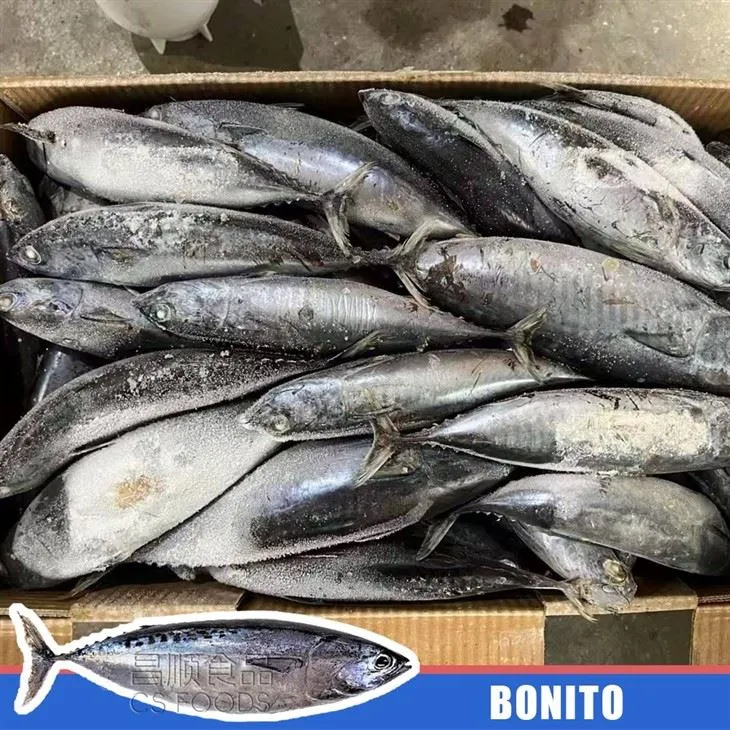
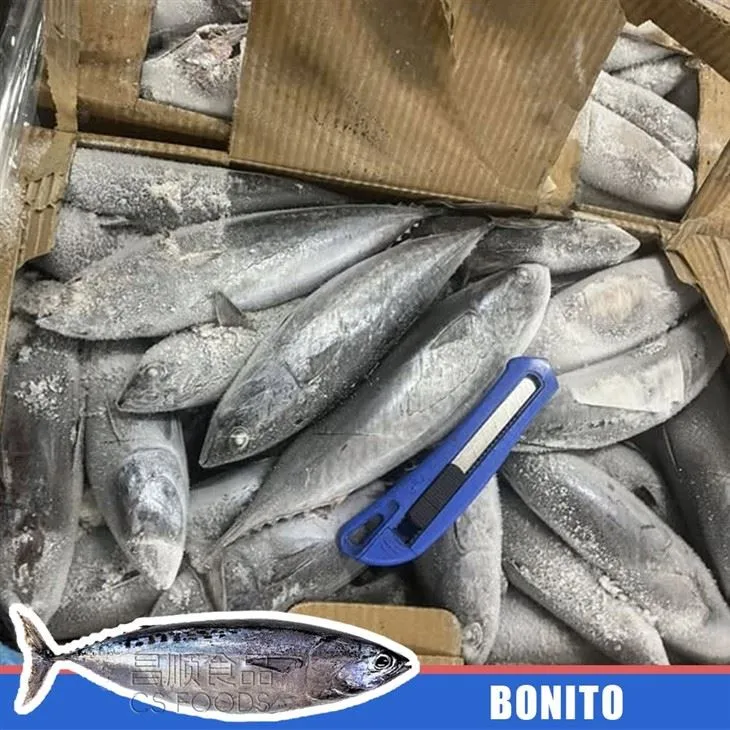
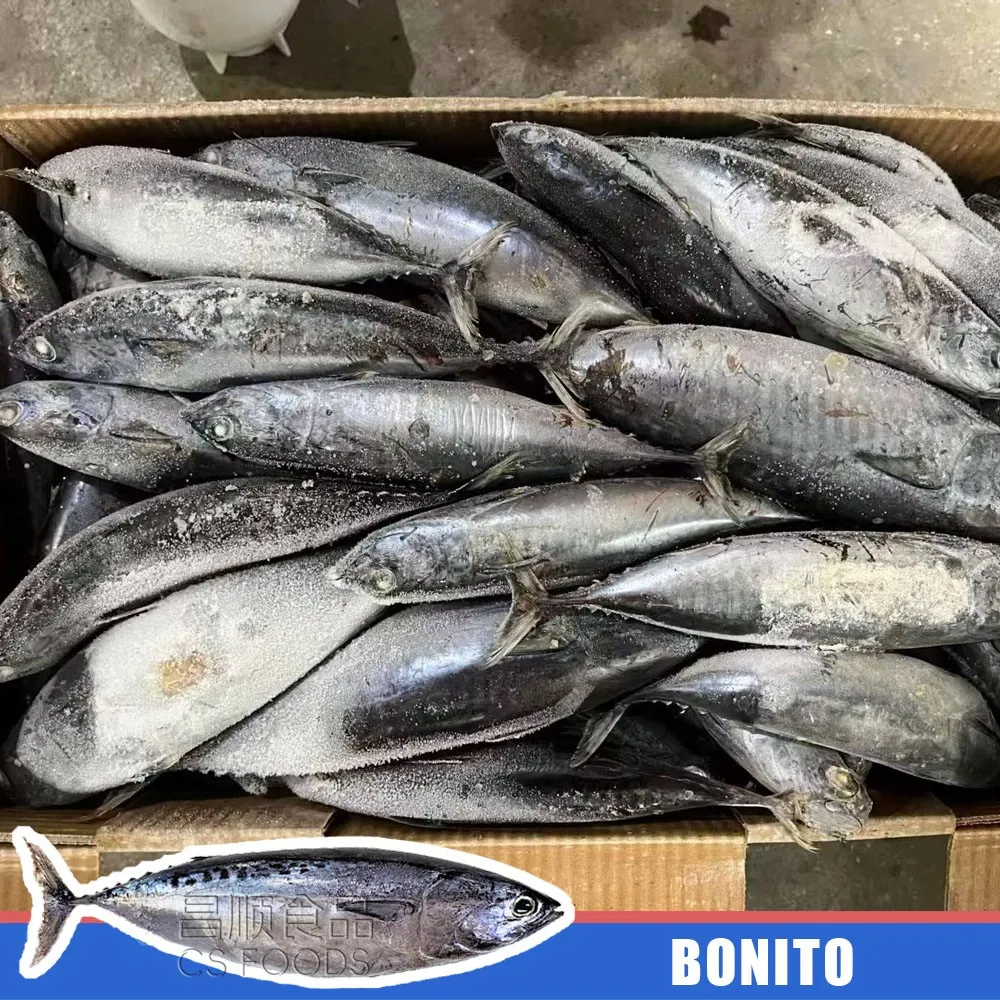
Bulk Seafrozen Bonito
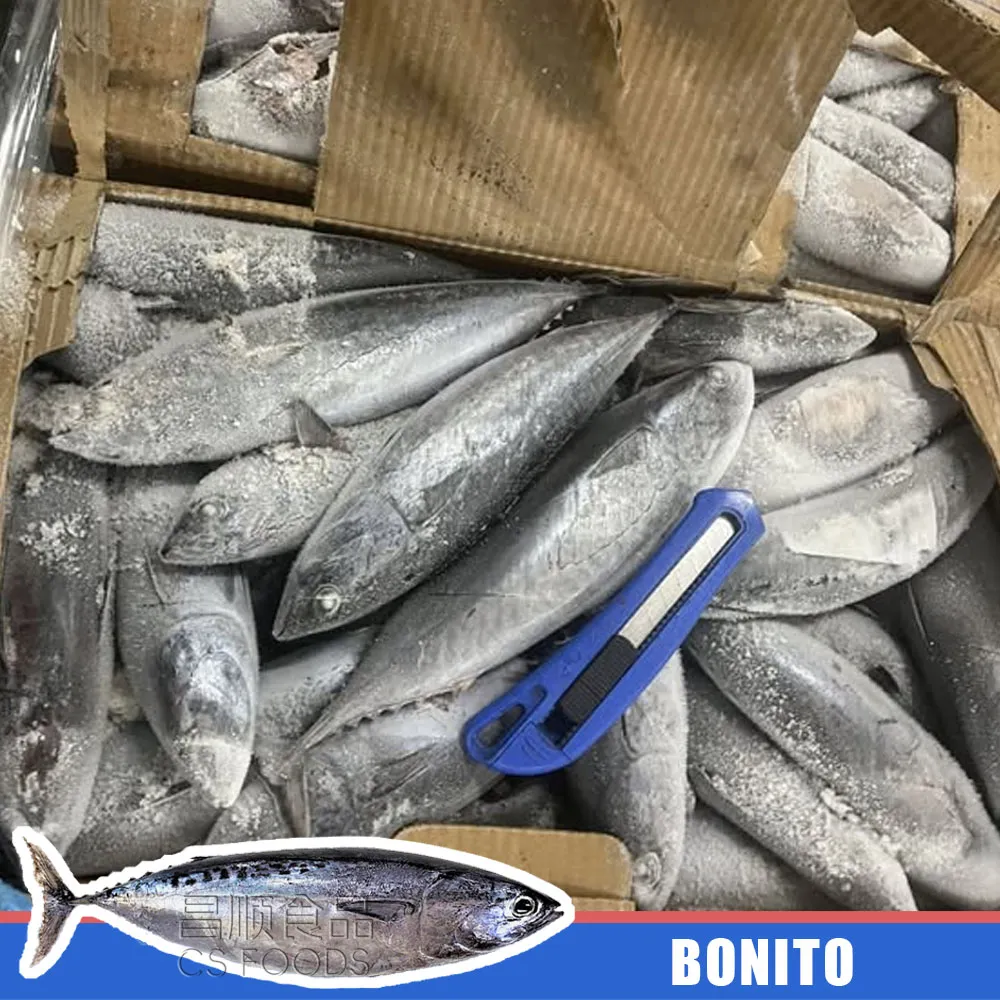
Bulk Seafrozen Bonito is frozen onboard the vessel, then packed directly into large, stackable industrial cartons without individual wrapping or portion separation. This no‑frills, high‑density format is designed for buyers who need metric tons of fish, not small packs: lower packaging overhead, reduced labor costs, and optimized container fill. The "bulk" designation signals a deliberate de‑specification – minimal grading, no portion packaging, no interleaving, and no attention to cosmetic variation beyond basic soundness. The fish are sorted only for spoilage and gross damage; size differences, scale abrasion, and minor surface marks are all accepted because they do not affect the functional performance of the raw material in industrial applications. This approach reduces handling time at the processing plant, cuts packaging costs per kilogram by over 40% compared to retail‑ready formats, and allows a standard 40‑foot container to carry up to 28 tonnes of product. For buyers who operate on thin margins and measure success in throughput, not in plate presentation, this format delivers the lowest possible cost of entry into the bonito supply chain. The bonito (Katsuwonus pelamis) itself is a streamlined, fast‑swimming pelagic species with a dense, dark red flesh that is notably firmer and more intensely flavoured than lighter‑fleshed fish – qualities that remain consistent regardless of whether the fish is visually flawless or shows minor natural marks. In the bulk seafrozen context, the fish is valued as a commodity input for further transformation, not as a finished product for retail display.
The seafrozen process is what makes bulk bonito a viable raw material for high‑volume industrial operations. Within minutes of the catch being hauled aboard, the fish are blast‑frozen at ultra‑low temperatures directly on the vessel. This immediate chilling arrests the enzymatic and oxidative changes that can dull the colour, soften the texture, and flatten the flavour of bonito within hours of capture – a risk that is amplified when fish are packed in bulk and held before freezing. For a species whose dark muscle is particularly rich in myoglobin and haemoglobin – proteins that give the flesh its deep red colour and are highly susceptible to oxidation – the speed of freezing is not a marginal factor; it is the determining factor in whether the fish arrives at the processor in usable condition or in a state of incipient decline. The rapid temperature plunge forms fine, uniform ice crystals that do not rupture cell walls, preserving the natural moisture, the firm, meaty texture, and the concentrated savoury‑sweet taste that defines bonito. The whole round format – with head, tail, and viscera intact – further protects the fish during frozen storage; the intact skin and scales act as a natural barrier against freezer burn and oxidative changes, while the closed body cavity prevents the oils from migrating or pooling unevenly. For canneries that process bonito into tinned products, for fishmeal plants that extract protein and oil, and for large‑scale smokehouses that produce finished goods by the tonne, the seafrozen bulk format provides a consistent, predictable raw material that behaves reliably in cookers, retorts, and smokers – regardless of the visual imperfections that are accepted at this grade.
Bulk Seafrozen Bonito is supplied whole round – head, tail, and viscera intact – with gutting available on request, and packed in heavy cartons of 10 kg, 20 kg, or custom sizes. The whole round format is retained because it maximizes biomass yield per tonne: heads, frames, viscera, and belly flaps all contribute to the total recoverable protein and oil, with nothing discarded at the supplier level. For canners, this means consistent fill weights and uniform heat penetration during retorting. For fishmeal plants, it means the highest possible extraction efficiency. For smokehouses, the whole fish offers superior moisture retention during processing. Nutritionally, bonito is one of the most concentrated sources of high‑quality protein (approximately 22‑24 grams per 100 grams), long‑chain omega‑3 fatty acids (EPA and DHA), vitamin B12, and selenium – nutrients that support cardiovascular health, cognitive function, and immune response. The seafrozen process locks in these nutrients at peak freshness, preventing oxidative degradation during extended storage. Under stable storage at −18°C or below, Bulk Seafrozen Bonito maintains its processing quality for up to 24 months. A straightforward, volume‑centric solution for canneries, fishmeal plants, and large‑scale seafood operations that value vessel‑freshness and low unit cost above all – delivering the honest, functional value that keeps large‑scale food production economically viable.
Our Company

Our Advantages

Our Certificates

Contact Us

Hot Tags: bulk seafrozen bonito, China bulk seafrozen bonito manufacturers, suppliers, factory, bonito, Frozen Bonito, IQF Bonito, Seafrozen Bonito