



Product Parameters


Products Description
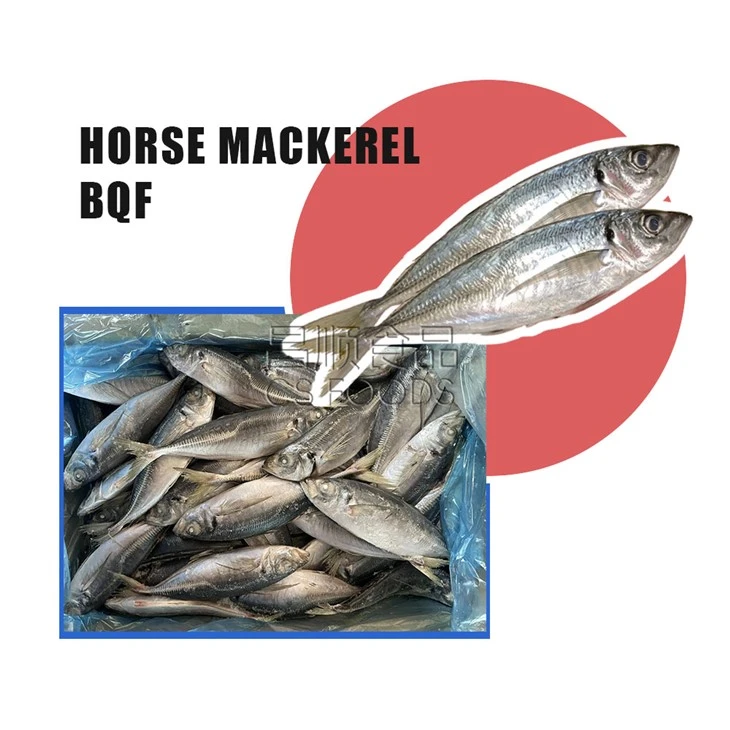
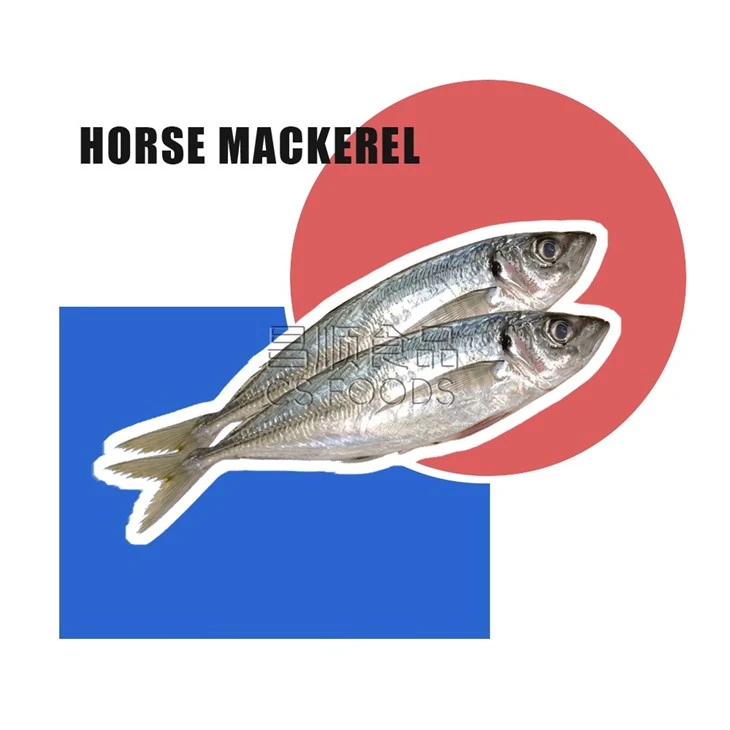
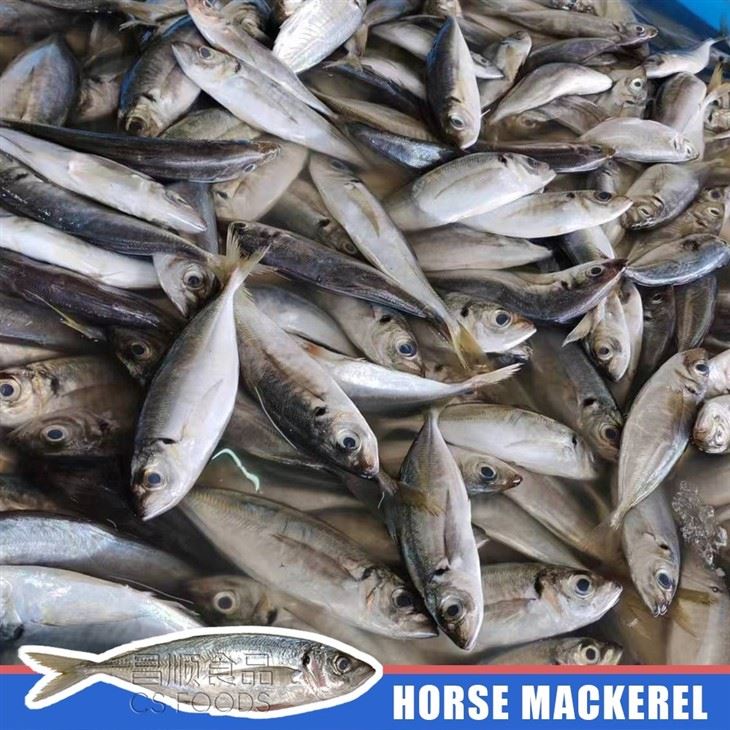
Bulk BQF Horse Mackerel is not a product for buyers who inspect individual fish. It is a product for buyers who weigh pallets, count containers, and measure cost per tonne delivered to the production line. The "bulk" designation signals a deliberate de‑specification: minimal grading, no portion packaging, no interleaving, and no attention to cosmetic variation beyond basic soundness. The fish are sorted only for spoilage and gross damage – size differences, scale abrasion, and minor surface marks are all accepted because they do not affect the functional performance of the raw material in industrial applications. This approach reduces handling time at the processing plant, cuts packaging costs per kilogram by over 40% compared to retail‑ready formats, and allows a standard 40‑foot container to carry up to 28 tonnes of product. For buyers who operate on thin margins and measure success in throughput, not in plate presentation, this format delivers the lowest possible cost of entry into the horse mackerel supply chain. The horse mackerel (Trachurus spp.) itself is a small, athletic pelagic species with a firm, moderately oily flesh and a clean, tangy marine flavor – qualities that remain consistent regardless of whether the fish is visually flawless or shows minor natural marks. In the bulk BQF context, the fish is valued as a commodity input, not as a finished product.
Horse mackerel's anatomical and biochemical traits make it exceptionally well‑suited to bulk block freezing. The species has a dense, compact muscle structure with relatively low water activity, which means it resists the physical compression of block forming without suffering significant moisture loss or texture degradation. Its moderate fat content (typically 8‑12%) is evenly distributed through the muscle, acting as a natural thermal buffer during rapid freezing and preventing the formation of large ice crystals that can damage cell walls. When a bulk BQF block is thawed, the fish separate cleanly with minimal tearing – a critical requirement for canneries that feed blocks into automated filling lines and for fishmeal plants that process whole fish in continuous cookers. The whole round format is retained by default because it maximizes biomass yield per tonne: heads, frames, viscera, and belly flaps all contribute to the total recoverable protein and oil, with nothing discarded at the supplier level. For canneries producing value‑priced tinned products, the intact fish offers consistent packing density and uniform heat penetration during retorting. For fishmeal and fish oil operations, the complete fish delivers the highest possible extraction efficiency. The bulk format accepts the natural variability of wild‑caught fish – a tolerance that allows suppliers to source efficiently without the cost penalties of over‑selective grading, passing those savings directly to the buyer.
Beyond its industrial utility, Bulk BQF Horse Mackerel offers a nutritionally valuable raw material that supports a wide range of end‑products. Each 100‑gram portion of the fish provides approximately 18‑20 grams of complete protein, rich in all essential amino acids, making it an efficient protein source for human consumption, pet food formulations, and aquaculture feed. The moderate oil content (8‑12%) is predominantly composed of long‑chain omega‑3 polyunsaturated fatty acids – EPA and DHA – which are recognized for their cardiovascular and anti‑inflammatory benefits. The fish is also a good source of vitamin D, vitamin B12, and the essential trace mineral selenium, which plays a key role in antioxidant defence systems. Horse mackerel inhabits clean, nutrient‑rich temperate and tropical waters, where it feeds on plankton, small crustaceans, and larval fish – a natural diet that directly contributes to its favourable fatty acid profile and mineral content. As a species positioned low on the marine food chain, it bioaccumulates significantly lower levels of heavy metals such as mercury and lead compared to larger predatory fish, making it a safer and more sustainable choice for both direct consumption and incorporation into processed foods. The BQF freezing process stabilises these nutritional attributes at harvest, preventing oxidative degradation of the lipids and preserving the natural micronutrient profile through extended storage. For feed manufacturers, canners, and food processors, the nutritional consistency of Bulk BQF Horse Mackerel provides a dependable foundation for formulating products with predictable protein, lipid, and mineral content – a functional advantage that complements its logistical and cost efficiencies.
Packaging

Our Advantages

Certifications

Our Company

FAQ
FAQ

01.Why does a 90% N.W. carton contain less fish than 100% N.W., and how to verify?
02.What labels are required on each carton for customs clearance?
Each carton must show: product name, scientific name (Trachurus spp.), size grade, net weight & glazing %, production & expiry dates, batch number, country of origin, storage temp (-18°C), freezing method (BQF). For EU: catch certificate number and TRACES NT registration linked to batch number.
03.How to check ice glaze without thawing the whole block?
Take a core sample using a sterile hollow tube through the carton. Thaw only the core, drain, weigh, and calculate glaze % = (frozen weight – drained weight) / frozen weight × 100%. Measured glaze must not exceed declared % + tolerance (usually 2‑3%). This non‑destructive method is standard in B2B trade.
Contact us

Hot Tags: bulk bqf horse mackerel, China bulk bqf horse mackerel manufacturers, suppliers, factory, BQF Horse Mackerel, Frozen Horse Mackerel, horse mackerel, IQF Horse Mackerel, Seafrozen Horse Mackerel


