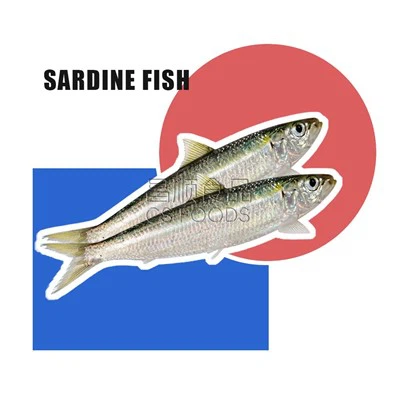
● Scientific name: Sardinella Longiceps
● Common size: Typically graded by count per kilogram (e.g., 3-5 pcs/kg, 5-7 pcs/kg, 7-10 pcs/kg, 10-15 pcs/kg)
● Common packaging: 10kg/ctn or customized
OEM is accepted (tag/label/logo...)
Send Inquiry
Description
Send Inquiry
Product Details
The Frozen Sardine
The Frozen Sardine Fish is a small, pelagic fish that punches far above its weight class in terms of flavor and nutrition. Often called the "silver herring of the sea," this fish is distinguished by its slender, fusiform body and radiant silvery sheen . Unlike the larger, steak-like fish in the mackerel family, sardines are prized for their tender texture, delicate skin, and the unique ability to be enjoyed whole. Sourced from nutrient-rich upwelling zones, our sardines are frozen at the peak of their fat cycle, typically when oil content is highest, delivering a succulent eating experience.
Video Description
Product Parameters
Our Advantages
Certifications
Our Company
Storage & Handling Instructions
Freezer Storage: Maintain a constant temperature of -18°C (0°F) or lower. Fluctuations can cause ice crystal damage to the delicate flesh
Thawing Method: Thaw in the refrigerator overnight. For quick use, keep in a sealed bag and submerge in cold water for 20-30 minutes.
Freshness Check: The eyes should be clear and bright, the gills red, and the skin should have a bright, metallic luster after thawing.
Important: Do not refreeze. For optimal culinary results, cook the sardines as soon as they are thawed.
Contact Us
FAQ
01.What exactly is frozen horse mackerel?
Frozen horse mackerel refers to fish of the genus Trachurus (family Carangidae) that have been rapidly frozen shortly after capture to preserve freshness. Despite the name, it is not a true mackerel. The fish is characterized by a streamlined, silvery body and a distinct row of bony scales (scutes) along the lateral line. Freezing locks in its firm, flavorful flesh, making it available year-round.
02.Can I refreeze horse mackerel after thawing?
No. Once thawed, it should not be refrozen. Consume within 1–2 days and keep refrigerated at 0–4°C. If you have cooked the fish, you can freeze the cooked portions, but avoid refreezing raw thawed fish.
03.How can I tell if frozen horse mackerel has gone bad?
Signs of spoilage include: excessive ice crystals or freezer burn (white, dry patches), a strong fishy or ammonia‑like odor after thawing, discolored flesh (dull, yellowish, or brown instead of silvery), and a slimy or mushy texture. If any of these are present, discard the fish. Properly frozen horse mackerel should have a mild, clean sea‑fresh smell and firm flesh.
04.Does freezing affect the nutritional value of horse mackerel?
When properly frozen, horse mackerel retains most of its nutrients. It remains an excellent source of high‑quality protein, omega‑3 fatty acids (EPA and DHA), vitamin B12, selenium, and phosphorus. Freezing may cause minimal loss of water‑soluble vitamins, but the overall nutritional profile remains largely intact. However, prolonged storage (>6 months) can lead to gradual oxidation of fats, affecting quality.
05.Is frozen horse mackerel safe to eat raw (as sashimi or sushi)?
Yes, but only if it is specifically labeled "sushi‑grade" or "sashimi‑grade" and has been frozen according to parasite‑elimination standards (e.g., –20°C for at least 7 days or –35°C for 15 hours). In Japan, horse mackerel (aji) is prized for sushi and sashimi. Always confirm the freezing protocol with your supplier; never use ordinary frozen fish for raw consumption.