Product Parameters


Video Description
Products Description

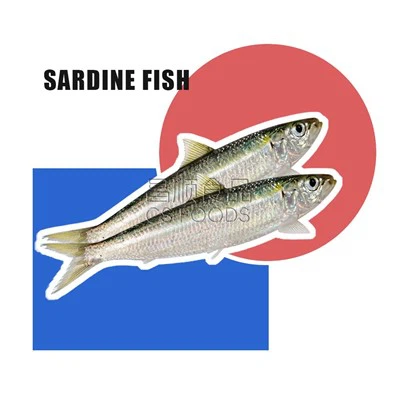
Frozen sardines are small, oily pelagic fish harvested from the nutrient‑rich upwelling zones of the Atlantic, Pacific, and Mediterranean waters. Our sardines are caught using sustainable purse‑seine methods during peak seasons, when their fat content reaches optimum levels for rich flavour. Within hours of landing, the catch is rigorously sorted, washed, and individually quick‑frozen (IQF) or block‑frozen at ‑40°C to lock in freshness. This rapid freezing preserves the delicate flesh, natural brininess, and high nutritional value – each 100g serving provides over 20g of protein, 2.5g of omega‑3 fatty acids (EPA and DHA), and significant amounts of vitamin D, calcium (from edible bones), and selenium. Sardines are incredibly versatile: grill them whole with lemon and herbs, pan‑fry until crispy, or incorporate into stews, pasta, and salads. Their small size means quick cooking (3‑5 minutes per side) and minimal preparation – scales are tiny and edible, and the bones are soft and digestible. Available in various size grades (80‑100, 100‑120, 120‑150 fish per 5kg carton), with glazing options from 0% to 15%, our frozen sardines meet HACCP, BRC, and EU export standards, ensuring full traceability from sustainable fisheries to your kitchen.
Popular cooking method

Our advantages

Our packaging

Certifications

How we work

FAQ

01.How should I store frozen sardines, and what is their shelf life?
A1: Store frozen sardines at ‑18°C (0°F) or below continuously. Under proper conditions, they maintain best quality for 12‑18 months. For home freezers with defrost cycles, consume within 6 months. Once thawed, do not refreeze – cook within 1‑2 days.
02.What is the best way to thaw frozen sardines?
A2: The safest method is refrigerator thawing: place the sardines (in their sealed bag) on a tray and refrigerate at 2‑4°C for 4‑6 hours (small fish thaw quickly). For faster thawing, submerge the vacuum‑packed bag in cold water for 15‑20 minutes. Never use hot water or a microwave – this will partially cook the delicate flesh and ruin the texture.
03.Are sardines very bony? How should I handle the bones when eating?
A3: Sardines have a central backbone and fine rib bones, but these are small, soft, and edible – especially after cooking. When grilled, baked, or fried, the bones become tender and are easily chewed or swallowed. For young children or those who prefer boneless fish, you can simply remove the backbone after cooking – it lifts out cleanly with a fork, leaving the fillets intact.
04.Why do sardines sometimes taste overly fishy, and how can I reduce that?
A4: Sardines are naturally oily and have a distinctive ocean flavour. To reduce any strong "fishiness": (1) soak thawed sardines in milk (or a 3% salt solution with lemon juice) for 15‑20 minutes before cooking; (2) always pat the fish dry to remove surface moisture; (3) cook with acidic ingredients like lemon, vinegar, tomatoes, or wine – they cut through the richness and brighten the taste.
Hot Tags: bqf sardine, China bqf sardine manufacturers, suppliers, factory, Seafrozen Sardine, BQF Sardine, IQF Sardine, sardine, Frozen Sardine Fish