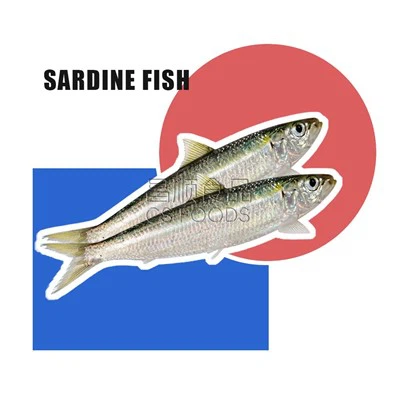
Product Parameters
|
BQF layang scad |
|
|
Scientific Name |
Decapterus Macrosoma |
|
Common Size |
Various size (e.g., 15-20pcs/ctn, 50-60pcs/ctn, 60-80pcs/ctn) |
|
Common Packaging |
10kg/ctn or customized |
|
Freezing Methods |
Land-frozen |
|
Catching Methods |
Light catch or Trawling |
|
Payment Term |
By TT |
|
Leading Time |
Within 7days after deposit |
|
Origin |
China |
|
Expiration Date |
Valid for 24 months from the date of production |
|
Usage |
Let it thaw naturally before processing |
|
Direction |
Make sure to cook thoroughly before eating |
|
Keep Frozen at -18℃ or below |
|


Video Description
Nutritional Highlights
BQF Layang Scad is not just a flavorful choice; it's a functional food packed with essential nutrients that are vital for daily wellness
Complete Protein
Provides all essential amino acids needed for muscle maintenance and repair in a low-calorie package.
01
Marine-Sourced Omega-3s
A natural source of long-chain polyunsaturated fats (EPA/DHA), which are crucial for cardiovascular health and cognitive function.
02
Rich in Selenium
An important antioxidant mineral that works in synergy with Omega-3s to support immune health and thyroid function.
03
Bioavailable Minerals
Contains easily absorbable calcium and phosphorus from the edible bones (especially when cooked until crisp), contributing to bone density.
04
Culinary Applications
Traditional Applications

Malaysian & Indonesian Cuisine
Essential for Gulai Lemak Ikan, a fragrant curry where the fish is slow-cooked in coconut milk and turmeric until the flavors meld perfectly. Also excellent in Ikan Bakar, where it is marinated in a rich spice paste and grilled over charcoal.
Vietnamese Cuisine
Used in Canh Chua Ca, a tangy tamarind soup where the firm fish chunks provide a hearty counterpoint to the sour broth and fresh herbs.

Modern Techniques

Confit Preparation
Slowly cooking Layang Scad fillets in low-temperature olive oil with aromatics (garlic, thyme) results in exceptionally tender, buttery flesh that can be flaked over salads or pasta.
Fish Burgers
The firm, dark flesh of Layang Scad makes for a robust and flavorful fish cake or burger patty, holding together better than flakier white fish.

Our Advantages

Certifications

FAQ
FAQ

01.Are there many bones in Layang Scad, and how should I handle them when serving?
02.Can I eat Layang Scad raw, such as in sashimi or ceviche?
03.What is the glazing (ice coating) on the product, and why is it applied?
Hot Tags: bqf layang scad, China bqf layang scad manufacturers, suppliers, factory, layang scad, BQF Layang Scad, Frozen Layang Scad, IQF Layang Scad