Product Parameters


Products Description

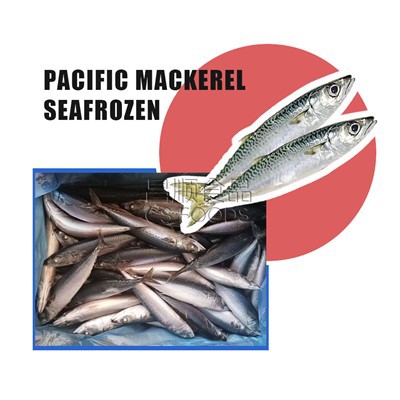
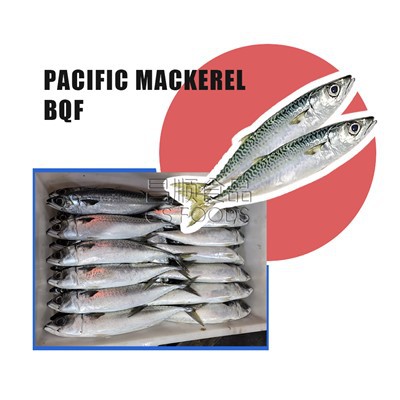
A Pacific Mackerel
Pacific mackerel (Scomber japonicus) is a small, fast‑swimming pelagic fish prized for its rich, buttery flesh and exceptionally high omega‑3 content. Unlike lean white fish, its dark meat carries 20–25% fat, which delivers deep umami but also makes it highly perishable. Proper freezing is not a convenience-it's a necessity. When frozen promptly at sea, the fish locks in its distinctive savoury bite and oceanic sweetness. However, that same fat is prone to oxidation, so frozen mackerel has a shorter optimal shelf life (about 3 months at -20°C) than most frozen seafood.
The biggest challenge with frozen Pacific mackerel is handling its strong natural odour and histamine risk-both are directly tied to temperature control from catch to freezer. Thaw it slowly in the fridge, never at room temperature, and always pat the skin bone‑dry before cooking. This fish shines brightest when simply salt‑grilled (shioyaki), pan‑seared until the skin crackles, or vinegar‑cured for a bright, clean finish. While not typically recommended for home‑made sashimi unless labelled sashimi‑grade, it's an affordable, sustainable, and incredibly flavourful choice for weeknight meals-provided you respect its oily, sensitive nature and cook it with confidence.
Product Details

Video Description
Cooking Method-A pacific mackerel

Our Advantages

Certifications

Our Company

Contact Us

FAQ

01.Why does frozen Pacific mackerel often have a stronger "fishy" odour than white fish – and how do I fix it?
Mackerel is rich in free amino acids and polyunsaturated fats that oxidise quickly. The smell is actually from trimethylamine oxide breaking down. To eliminate it:
Soak thawed fillets in a mixture of 5% rice vinegar + 2% salt water for 15 minutes.
Or rub with grated ginger and sake, then pat dry – the alcohol binds to the odour compounds and evaporates during cooking.
02.I've heard about histamine poisoning with mackerel – how do I stay safe with frozen product?
03.Can I eat frozen Pacific mackerel raw as sashimi or poke?
Hot Tags: a pacific mackerel, China a pacific mackerel manufacturers, suppliers, factory, BQF Pacific Mackerel, Frozen Pacific Mackerel, Seafrozen Pacific Mackerel, IQF Pacific Mackerel, pacific mackerel