

Products Description


Product details
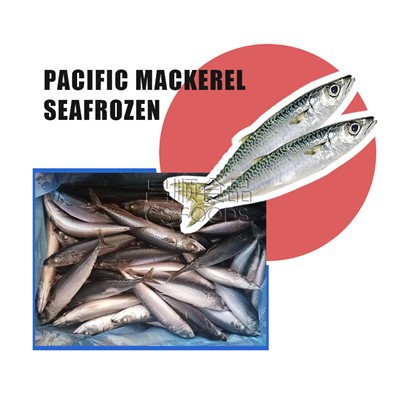
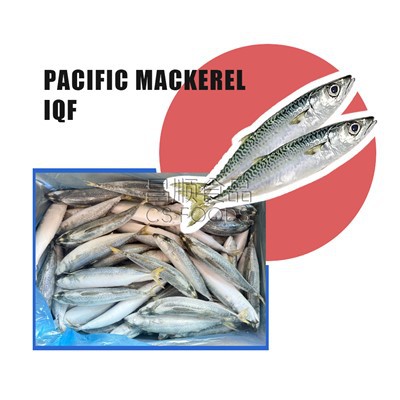
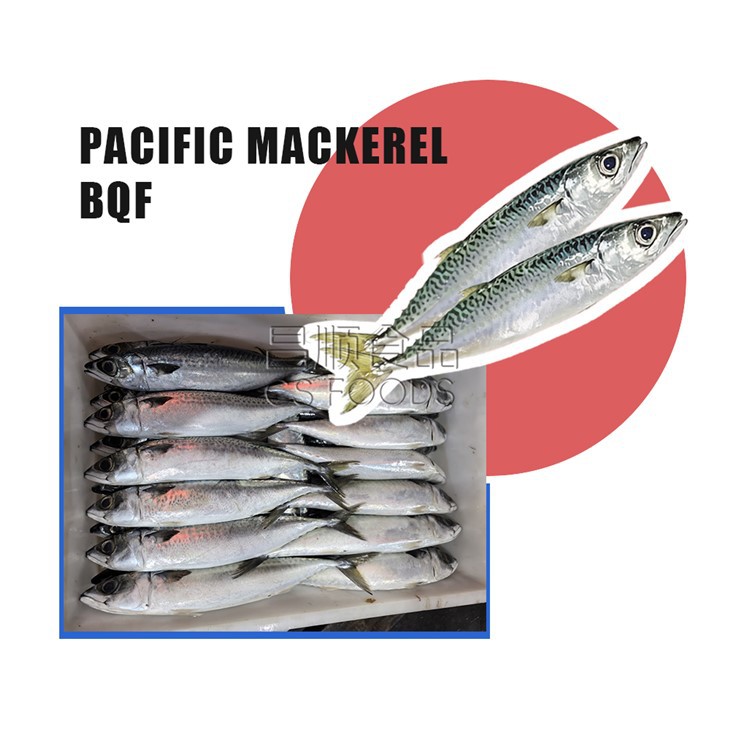
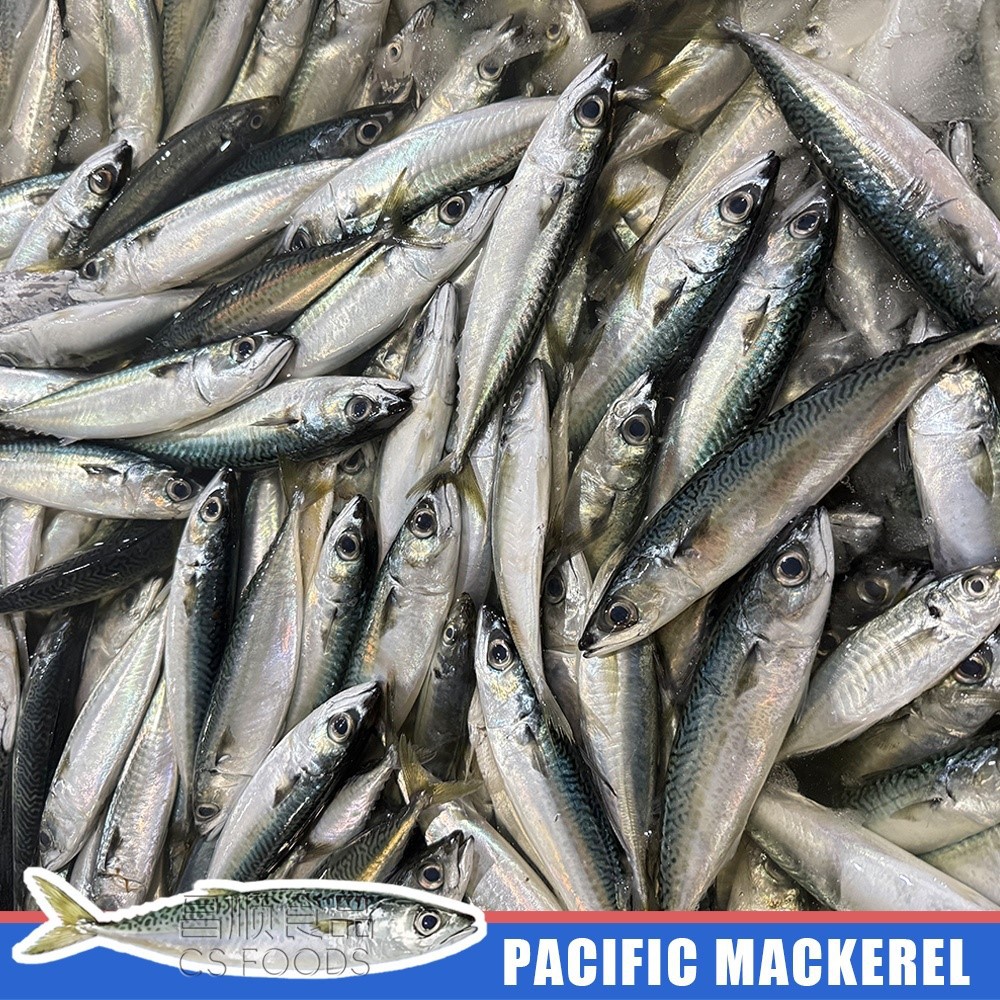
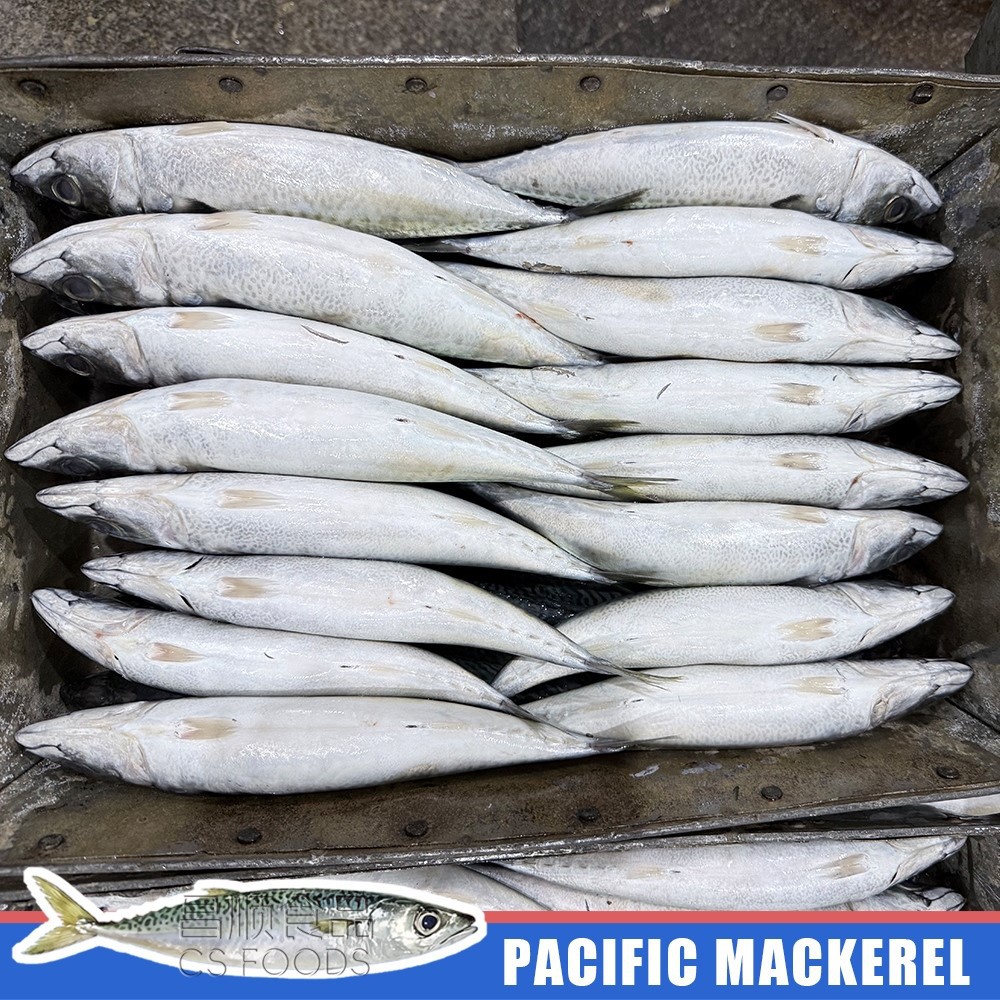
As a premium oily seafood species, BQF blue mackerel inhabits seas across the globe. Atlantic mackerel (Scomber scombrus) and Pacific mackerel (Scomber japonicus) are the two dominant species widely used in commercial seafood processing. Boasting an elegant spindle-shaped body, the fish features a glossy dark blue-black upper body and a clean silvery-white abdomen. Its tender, succulent flesh carries a subtle, pleasant oiliness, presenting a rich, authentic seafood taste favored by diverse consumers.

Packaging

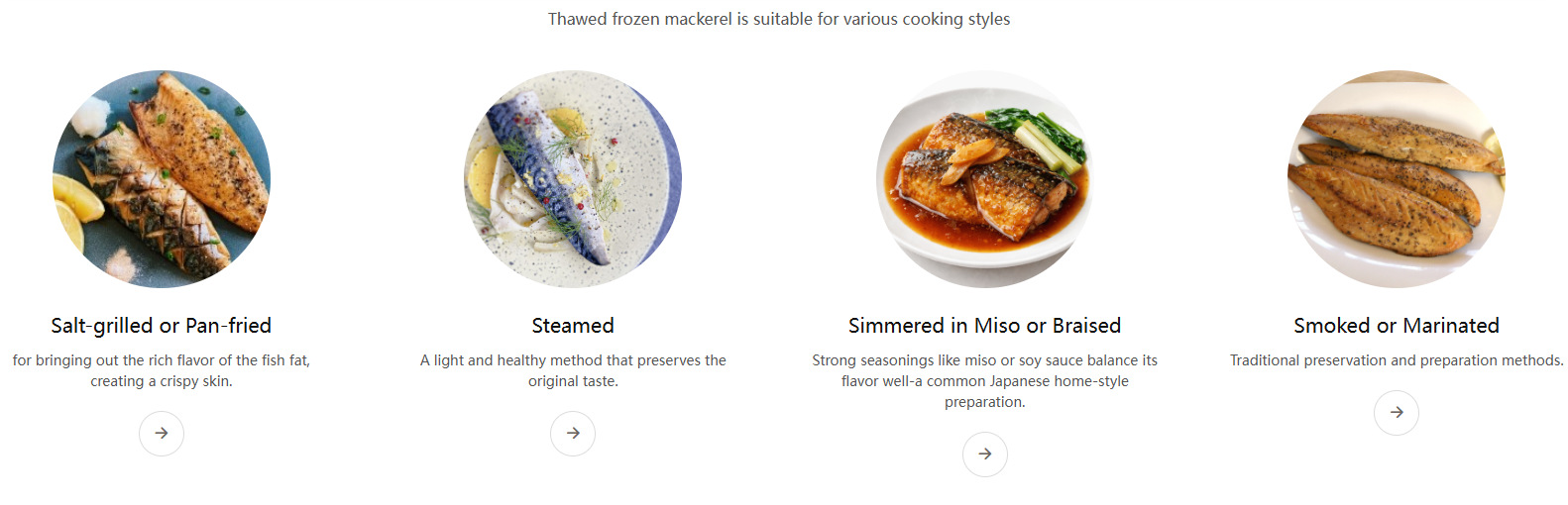
Popular Cooking Methods
Our Advantages
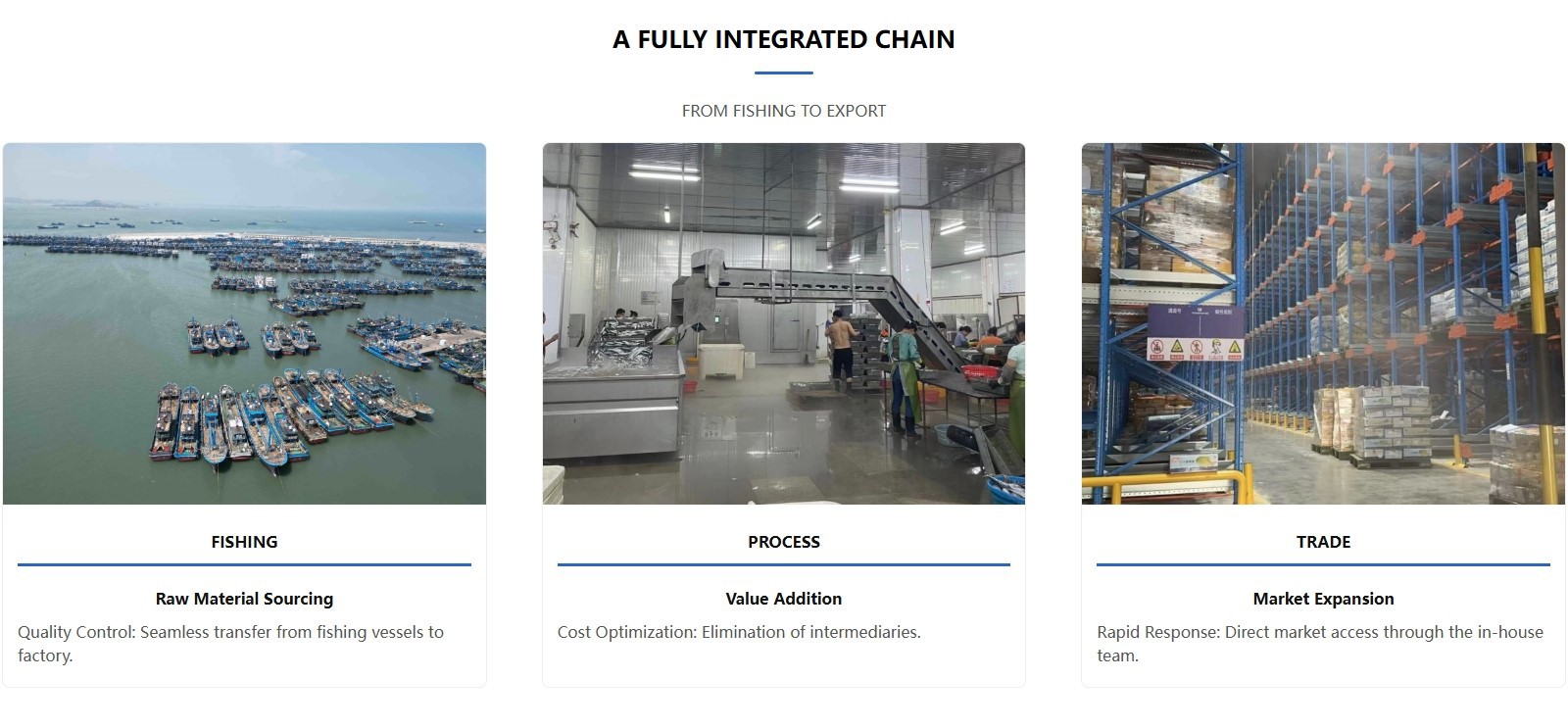
Our Company

We are here for you

FAQ

01.Can you arrange shipment for customer?
02.How is the packing of products?
03.Can frozen chub mackerel be used for canning? What are the special considerations?
Yes, frozen chub mackerel is widely used in the canning industry. In fact, a large portion of canned mackerel products (e.g., in tomato sauce, olive oil, or brine) are made from frozen‑thawed fish. However, for canning:
The fish must be thoroughly thawed before processing to ensure even heat penetration and proper sealing.
Thawing should be done under controlled refrigeration to prevent bacterial growth before the high‑heat canning step.
Freezer burn or severe oxidation can affect the final colour and flavour, so high‑quality frozen raw material is essential.
The canning process itself (high temperature and pressure) softens bones to an edible, calcium‑rich form, making it safe and nutritious.
Always check that the frozen product has been properly glazed and packed to minimize lipid oxidation, which can cause off‑flavours in the final canned product.
04.Why does frozen chub mackerel sometimes develop a yellow discolouration or rancid smell, and how can I prevent it?
Chub mackerel is a fatty fish rich in polyunsaturated omega‑3s, which are prone to lipid oxidation (rancidity) during frozen storage. Oxidation causes:
Yellowing of the flesh (especially near the belly and bloodline)
A paint‑like, fishy, or cardboard‑like off‑odour
A bitter or metallic taste after cooking
To prevent or minimise this:
Choose products with oxygen‑barrier packaging (vacuum‑packed or with a protective glaze).
Store at ‑30°C or colder if possible; oxidation accelerates at temperatures above ‑20°C.
Avoid temperature fluctuations that cause thaw‑refreeze cycles.
Use the fish within the recommended shelf life (e.g., 6 months in a home freezer, 12–24 months commercially).
If you notice strong yellowing or a rancid smell after thawing, the fish is still safe to eat (oxidation does not cause food poisoning) but the flavour will be poor; marinating in acidic or spicy sauces can help mask it.
Hot Tags: bqf blue mackerel, China bqf blue mackerel manufacturers, suppliers, factory, BQF Pacific Mackerel, Frozen Pacific Mackerel, Seafrozen Pacific Mackerel, IQF Pacific Mackerel, pacific mackerel