

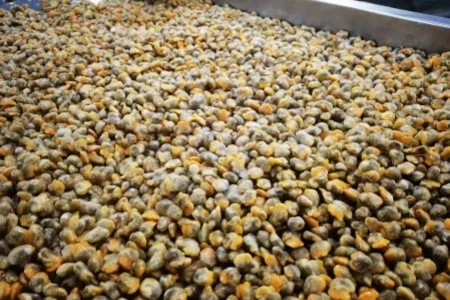
The global trade in frozen blood clam meat (concha negra) faced heightened regulatory scrutiny in 2025–2026 after a hepatitis A outbreak linked to imported product exposed serious gaps in shellfish sanitation compliance. For importers, distributors, and foodservice buyers, the episode delivered a blunt lesson: species identification and country-of-origin certification are decisive food-safety controls, not mere documentation formalities to be cleared at customs. What began as a regional recall quickly became a case study in how weak origin verification can undermine an entire supply chain.
The outbreak, first detected in July 2025, was traced to La Serranita brand fresh-frozen blood clam meat imported from Ecuador and distributed through New Jersey and New York dealers. The U.S. Food and Drug Administration issued a public alert in April 2026 after illnesses were reported across several states, with confirmed cases eventually reaching 30 patients in Minnesota, New York, and Pennsylvania. Illness onset dates ranged from July 2025 to May 2026, and 83 percent of identified patients required hospitalization-a rate reflecting both the severity of hepatitis A in adults and the difficulty of containing a pathogen with a 15-to-50-day incubation period, during which infected individuals can spread the virus unknowingly. Because symptoms can appear weeks after consumption, linking illnesses to a specific shipment demanded extensive epidemiological tracing, and by the time the connection was confirmed, much of the implicated product had already been sold and consumed.
The core regulatory failure was straightforward. Ecuador is not among the countries whose shellfish shippers are certified under the U.S. National Shellfish Sanitation Program. The FDA's Interstate Certified Shellfish Shippers List recognizes only shippers certified by the United States, Canada, Korea, Mexico, and New Zealand-governments that hold formal shellfish sanitation agreements with the FDA. The implicated product entered the market outside this framework, and freezing did nothing to reduce the risk: hepatitis A virus survives freezing and retains infectivity for the product's full shelf life, which can extend to 24 months under proper cold-chain conditions. This means a contaminated shipment remains hazardous long after it leaves the port of origin, complicating traceback efforts and widening the window of exposure for consumers. Unlike bacterial pathogens that may decline over time or respond to cooking, hepatitis A is both persistent and heat-resistant, surviving brief cooking temperatures that would otherwise neutralize many foodborne threats.
For the trade, the implications extend well beyond a single recall. Blood clam meat is supplied under several commercial names-concha negra, black clam, blood cockle-and can be confused with related ark shell species such as Scapharca subcrenata and Tegillarca granosa. Reliable suppliers now emphasize fixing the Latin species name on purchase orders to prevent substitution, and providing health certificates, certificates of analysis, and origin documentation with each shipment. The outbreak also highlighted the importance of verifying that the exporting country holds a recognized shellfish sanitation agreement with the destination market, rather than relying on a seller's verbal assurances of compliance. In practice, this means importers should confirm certification status directly against the official shippers list before contracting, and should treat any shipment originating from a non-certified country as ineligible regardless of the documentation presented.
The commercial fallout has been equally instructive. Buyers who had sourced on price alone discovered that the savings from uncertified suppliers can be erased many times over by recall costs, legal liability, and reputational damage. Retail and foodservice customers increasingly demand full traceability from harvest area to point of sale, and some have begun requiring third-party verification of sanitation compliance as a condition of listing. For exporters in certified countries, the outbreak represents an opportunity: stricter enforcement raises the barrier to entry for non-compliant competitors and rewards suppliers who can demonstrate verifiable compliance records. For exporters in non-certified countries, the path forward lies in pursuing formal recognition through bilateral shellfish sanitation agreements, a process that typically takes years and requires substantial investment in monitoring, harvesting controls, and laboratory capacity.
As frozen blood clam meat continues to move through Asian and North American supply chains-with China remaining the dominant exporter of clams globally-the compliance burden on importers has increased. The distinction between a legally importable product and an illegally sourced one can determine not only customs clearance but public-health liability. For buyers, the lesson of 2025–2026 is clear: origin certification is a core procurement specification, not a back-office formality. Those who treat it as such will be better positioned to weather both regulatory scrutiny and the market's growing demand for verifiable food safety.


