

El Niño 2026: What It Means for Fisheries in Southern China
September 2026 | Industry Knowledge Briefing
As the global seafood industry continues to navigate an increasingly complex climate landscape, one phenomenon demands the urgent attention of every fisheries professional operating in or sourcing from Southern China: the 2026 El Niño event. According to the World Meteorological Organization (WMO) and the National Oceanic and Atmospheric Administration (NOAA), this El Niño has been confirmed and is expected to reach very strong, near-super strength by the end of 2026, potentially persisting into early 2027. For aquaculture farmers, seafood processors, and exporters across Guangdong, Guangxi, Hainan, and Fujian, understanding the mechanisms and implications of this climate event is no longer optional - it is essential for business continuity.

Understanding El Niño: A Brief Primer

El Niño is a climate pattern characterized by abnormal warming of sea surface temperatures in the central and eastern equatorial Pacific Ocean. While it originates thousands of kilometers away, its effects ripple across the globe through atmospheric teleconnections - altering rainfall patterns, storm tracks, and ocean temperatures far beyond its source region. In Southern China, El Niño typically manifests as a combination of warmer winters, altered precipitation patterns, and heightened risks of extreme weather events including heatwaves, typhoons, and heavy rainfall.
For 2026 specifically, monitoring data indicates that the warming rate has already surpassed that of the same period during the historic 1997/1998 super El Niño event, with key monitoring areas showing sea surface temperatures more than 2°C above the long-term average. Chinese marine forecasting authorities have assessed that a super-strong El Niño event will form in the autumn and winter of 2026, with the possibility of exceeding the record set in 1997/1998
The Core Threats to Marine Aquaculture
TREATS

Thermal Stress and Immune Suppression
For marine aquaculture - the backbone of Southern China's seafood industry - the most direct and immediate impact of El Niño is abnormal sea surface warming. Most farmed marine species are ectothermic (cold-blooded) animals highly sensitive to temperature changes. When water temperatures exceed species-specific tolerance thresholds - such as 28°C for sea cucumber or 33°C for Pacific white shrimp - mitochondrial dysfunction and oxidative stress can trigger mass mortality events.
Beyond direct thermal lethality, elevated temperatures systematically weaken immune systems. Dormant pathogens such as Vibrio bacteria become more virulent under warm conditions, while the incubation period for white spot syndrome virus in shrimp shortens dramatically. As one industry analysis noted, "abnormal weather does not directly kill shrimp, but it creates strong stress, substrate deterioration, and oxygen deficiency, greatly amplifying the probability of white spot disease, vibriosis, and iridovirus outbreaks".

Dissolved Oxygen Depletion and Stratification
Warmer water holds less dissolved oxygen - approximately 20% less for every 10°C rise in temperature. Compounding this, thermal stratification creates a barrier between surface and bottom water layers, preventing vertical mixing and trapping oxygen-depleted water at the bottom. In high-density pond systems, this can rapidly lead to hypoxia, elevated ammonia and nitrite levels, and hydrogen sulfide accumulation. During continuous heatwaves, shrimp and fish may spend days in a state of chronic sub-lethal oxygen stress, reducing feeding, impairing digestion, and increasing susceptibility to disease.
Harmful Algal Blooms and Red Tides
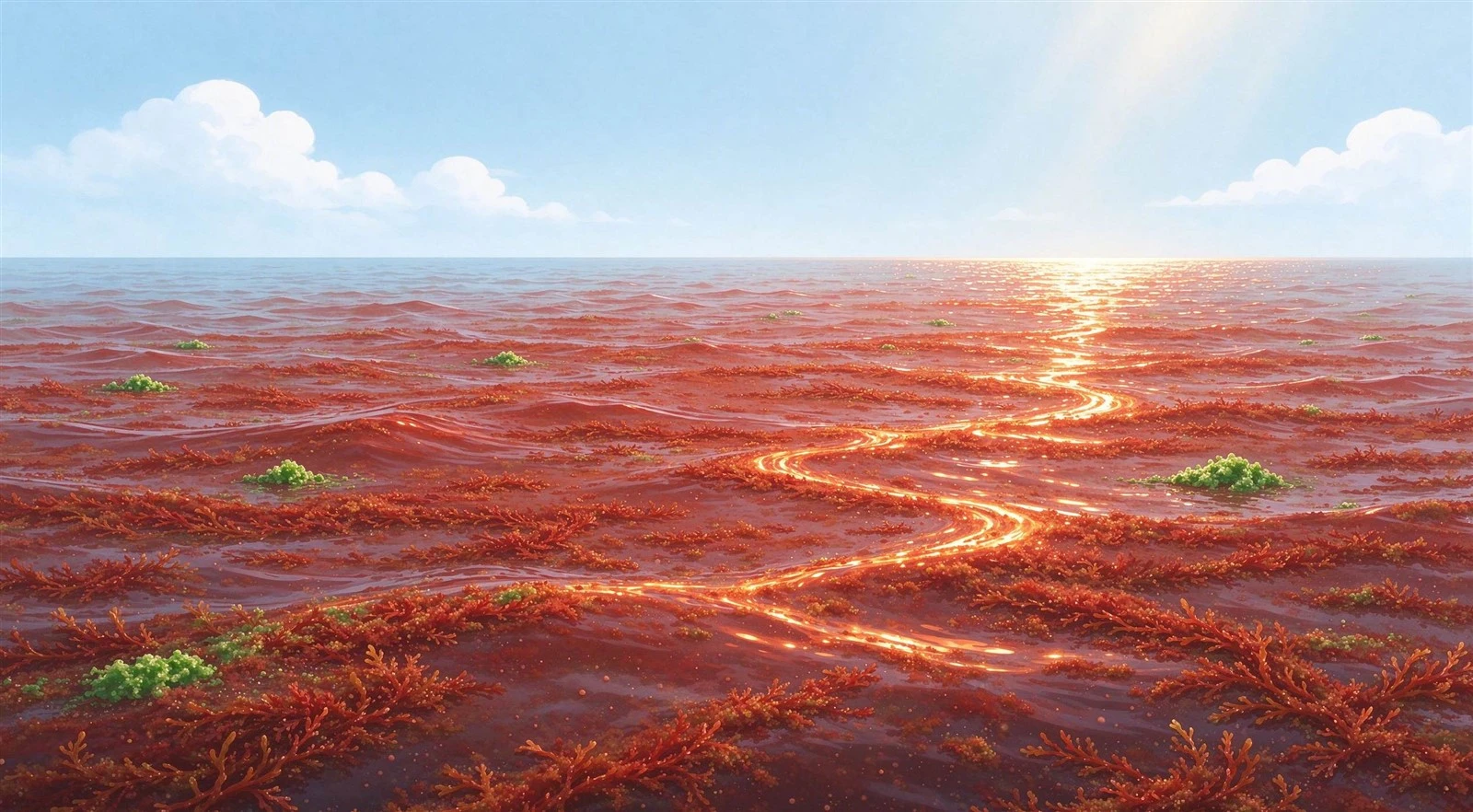
One of the most visible and economically damaging consequences of El Niño-driven warming is the increased frequency and intensity of harmful algal blooms (HABs). In Hainan, nearshore water temperatures have been recorded at 2–3°C above normal, triggering large-scale algal proliferation. High-density algae consume oxygen around the clock through respiration, and when they die and decompose, they further deplete dissolved oxygen to levels below the survival threshold for farmed fish. Algal toxins released during bloom collapse cause dual damage to fish and shrimp.
In August 2026, Hainan experienced three successive red tide events that caused significant fish mortality in local waters. Experts warned that with the super El Niño event approaching, Hainan faces continued risk of red tide recurrence from August through October, as large quantities of algal seed stock and dormant cysts remain in the water column.
Impact on Freshwater Aquaculture
IMPACT
While marine aquaculture bears the brunt of El Niño's direct thermal effects, freshwater systems in Southern China face their own set of challenges.
Temperature Stress in Inland Waters
Small and medium-sized shallow lakes, slow-flowing rivers, and ponds - common in Southern China's freshwater aquaculture landscape - respond rapidly to air temperature fluctuations, making them more prone to extreme high-temperature events. Cold-water species such as rainbow trout, with an optimal temperature below 20°C, experience growth retardation and disease onset when temperatures exceed 22–23°C.
A critical and often underestimated factor is the combination of high temperature, high humidity, and low wind. Under such conditions, ponds lose their ability to dissipate heat at night, causing fish and shrimp to remain in a state of continuous thermal stress and hypoxia for extended periods. This not only suppresses feeding but also creates ideal conditions for disease outbreaks.
Extreme Rainfall and Water Quality Disruption
El Niño is associated with both extreme heat and short-duration intense rainfall events. For freshwater ponds, sudden heavy rainfall can cause rapid dilution of salinity in brackish systems, sharp drops in pH, and dramatic temperature changes - all potent stressors that suppress immune function and trigger disease. After rainfall, the subsequent return of sunny weather often coincides with peak mortality events as accumulated stress combines with pathogen proliferation.
Feed Cost Escalation: The Global Supply Chain Dimension
One of the less obvious but commercially significant impacts of El Niño is its effect on global fishmeal supply. Warmer ocean conditions off the coast of Peru disrupt anchovy populations - the primary raw material for fishmeal production. As Peruvian anchovy catches decline, fishmeal prices surge, directly increasing feed costs for Chinese aquaculture operations. The industry adage "no anchovy in Peru, no feed in China" captures the supply chain reality that connects a climate phenomenon in the Pacific to the profitability of a fish farm in Fujian.
For large yellow croaker farmers in Ningde - the world's largest yellow croaker marine ranch, producing over 80% of China's total output - rising feed costs compound the challenges of heat-related disease and typhoon damage, squeezing margins at every level of the value chain.
Regional Snapshot: Southern China's Key Aquaculture Zones Under Pressure
| Region | Key Species | Primary El Niño Risks |
|---|---|---|
| Hainan | Grouper, golden pompano, shrimp | Red tides, coral bleaching, fish kills from algal blooms |
| Guangdong | White shrimp, tilapia, oysters | Thermal stress, typhoon damage, salinity fluctuation |
| Guangxi | Shrimp, tilapia, shellfish | Heavy rainfall, flooding, disease outbreaks |
| Fujian | Large yellow croaker, abalone, seaweed | Heatwaves, feed cost escalation, typhoon surges |
The 2026 El Niño is not creating entirely new risks - Southern China's aquaculture sector has weathered El Niño events before. What is different this time is the projected intensity. If current forecasts hold and this event approaches or exceeds 1997/1998 levels, the cumulative stress on farming systems could be unprecedented. Historical precedent is sobering: the 1998 El Niño caused significant sea cucumber production losses in Liaoning and Shandong, and the 2018 summer heatwave similarly devastated northern sea cucumber farms.
Implications for Seafood Exporters and Traders
implications
For seafood exporters and traders in Southern China, the 2026 El Niño has several practical implications:
Supply volatility
Expect fluctuations in supply of farmed shrimp, tilapia, and other warm-water species during peak heat periods. Building buffer inventory and diversifying sourcing regions can help mitigate supply disruptions.
01
Quality consistency
Heat-stressed animals may exhibit slower growth and variable product quality. Maintaining rigorous quality control protocols is essential for meeting export market standards.
02
Cost management
Feed cost increases linked to global fishmeal supply constraints will pressure margins. Locking in feed contracts early and exploring alternative protein sources can provide some insulation.
03
Market timing
With some production areas potentially experiencing delayed harvests or reduced early-season yields, understanding regional production dynamics can inform procurement and sales strategies.
04
Climate resilience as a selling point
As international buyers increasingly scrutinize supply chain sustainability and climate resilience, demonstrating proactive adaptation measures can become a competitive advantage.
05


