Major Types of Fishing Vessels by Operation Method
Quanzhou's fishing fleet employs a variety of fishing methods, with the primary operation methods being trawling, purse seining, drift gillnetting, and set net fishing. Below are the major vessel types:

1. Trawlers
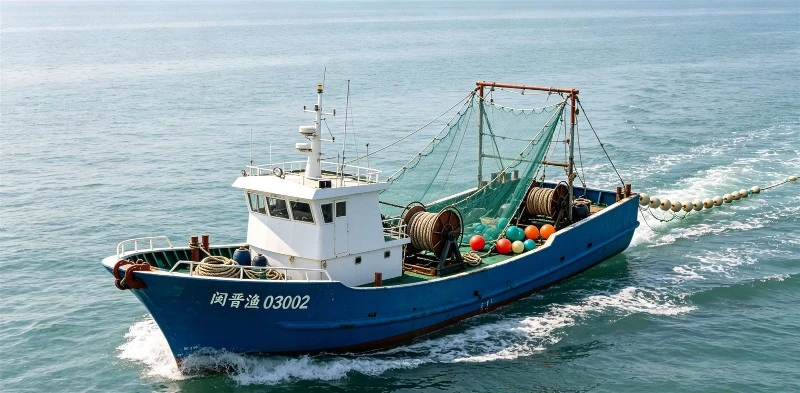
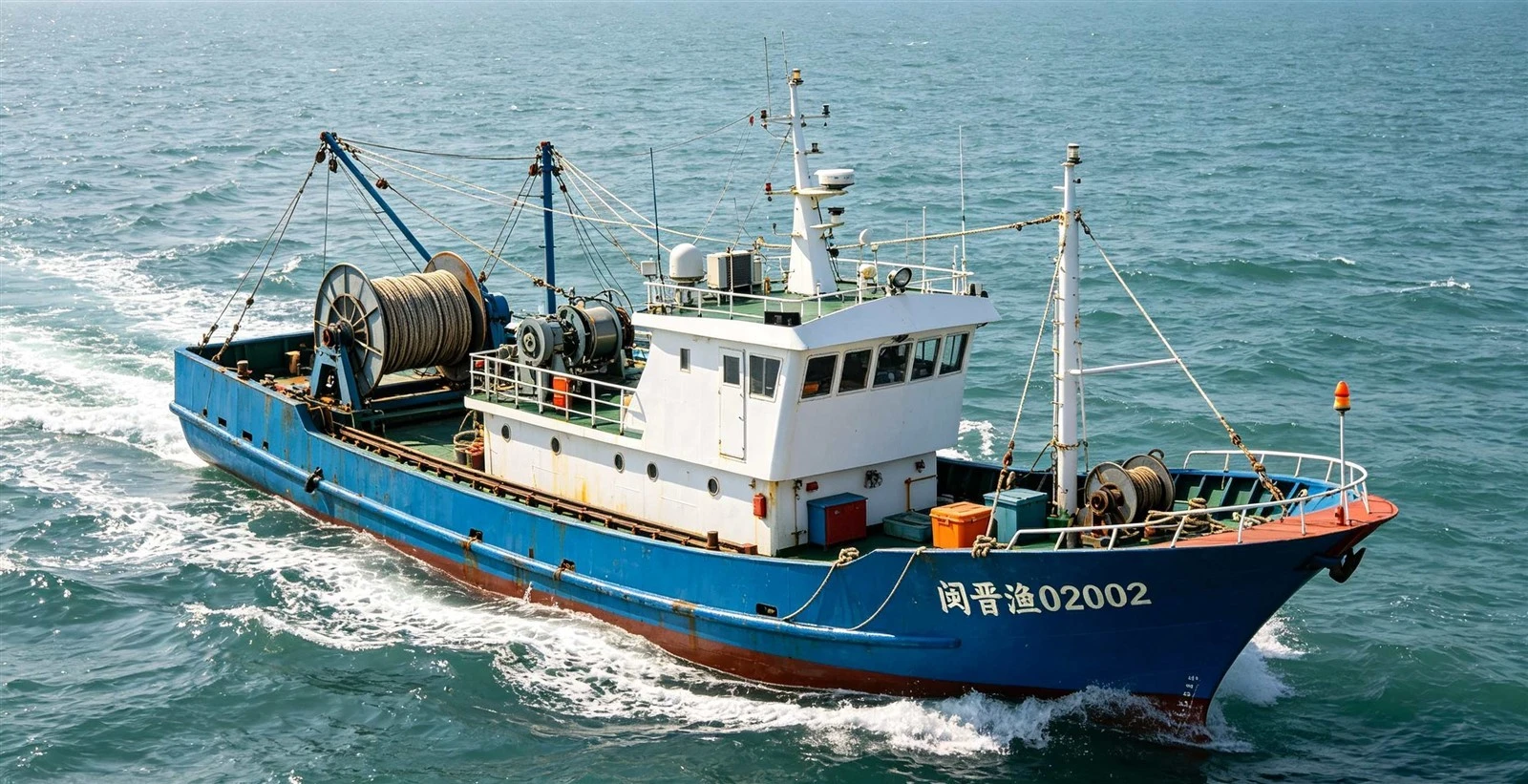
Trawlers are vessels that pull a cone-shaped net through the water to catch bottom-dwelling or pelagic fish. Representative trawler types in Quanzhou include Louwei, Wangzai, Qianzeng, Dazeng, and Kawang, primarily found in Chongwu and Xiaozuo of Hui'an County, and Shenhu and Meilin of Jinjiang City.
Key Features
1.Pull nets through water columns
2.Target demersal and pelagic species
3.Steel trawlers have become the mainstream since the 2000s
By the 2000s, steel trawlers in Quanzhou reached scales of 47 meters in length, 8 meters in beam, and 4 meters in depth.
2. Purse Seine Vessels
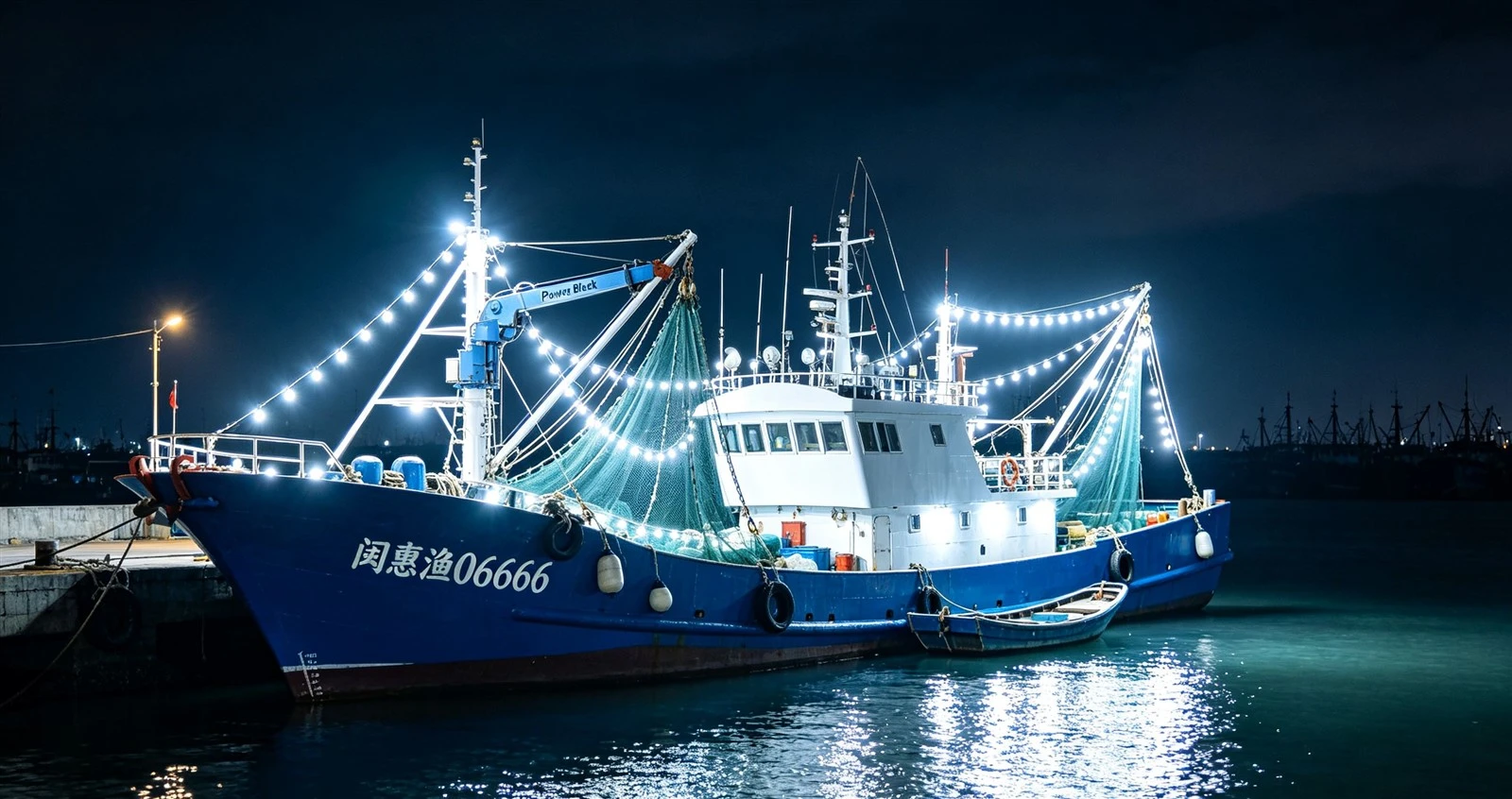
Purse seine vessels use a large wall of netting to encircle schools of fish, then draw the bottom closed like a purse. Representative types include Xiaoweizeng, Suanwang, Yaozeng, Wuzeng, and Huazai, mainly distributed in the coastal fishing villages of Hui'an and Jinjiang.
Light Purse Seine Vessels
A specialized subtype, light purse seine vessels use powerful underwater and above-water lights to attract fish. A modern large light purse seine vessel in Quanzhou measures 43.2 meters in length, 8.2 meters in beam, and 4 meters in depth, with a gross tonnage of 367 tons. These vessels are equipped with satellite navigators, weather facsimile machines, color fish finders, fish pumps, and power blocks, as well as chilled seawater preservation and quick-freeze holds. The operational depth can reach 80–120 meters.
Large light seine vessels under construction have reached 56 meters in length, 9.8 meters in beam, and 4.4 meters in depth.
3. Drift Gillnet Vessels
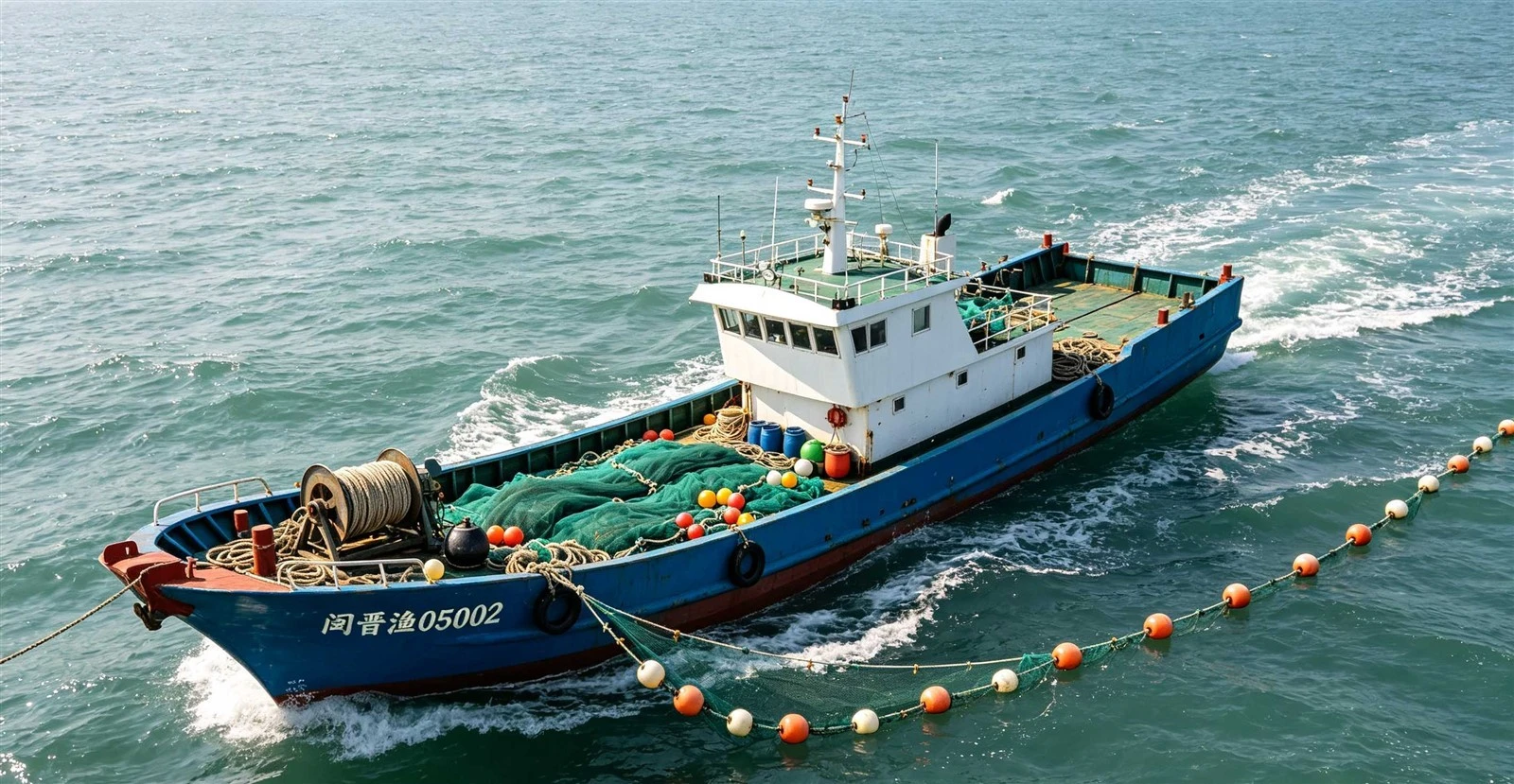
Drift gillnet vessels use vertical panels of netting that hang in the water column, entangling fish that attempt to swim through. This method is considered more selective and less damaging to the seabed than trawling. In recent years, Quanzhou has been actively phasing out bottom trawlers and replacing them with gillnet vessels as part of fishery resource conservation efforts.
Key Features
1.Use vertical net panels to entangle fish
2.More environmentally selective than trawling
3.Commonly used for catching migratory species
4. Set Net Vessels (Fixed Net Vessels)
Set net vessels operate by fixing nets in the sea and allowing tidal currents to drive fish into the nets. This is one of the oldest traditional fishing methods in Quanzhou.
Representative Types
1.Miefan Fixed-net Boat– An ancient wooden sailing vessel with sails woven from bamboo strips and palm leaves
2.Wooden Fixed-net Boat – A wooden sailing vessel capable of operating in winds up to force 8–9
3.Dingzhiwang Motorized Sailboat
5. Hook-and-Line Vessels (Longline Vessels)
Hook-and-line vessels use baited hooks attached to long lines to catch fish. Traditional methods in Quanzhou included using long ropes with hooks spaced approximately 3 meters apart, coiled in bamboo baskets and deployed into the sea. A small boat could catch over 500 kilograms per day using this method.
Modern Longline Vessels
1.Ultra-low Temperature Longliners
Used for high-value species like tuna, capable of preserving catch at extremely low temperatures
2.Tuna Longliners

6. Offshore & Distant-Water Fishing Vessels
Quanzhou has been actively developing its distant-water fishing fleet. These vessels operate in international waters including the North Pacific, targeting species such as mackerel, sardines, squid, and saury. Catch is transported back via ultra-low temperature freezer vessels to Quanzhou's Shenhu Central Fishing Port.
Major Distant-Water Vessel Types
1.Large tuna purse seine vessels
2.Ultra-low temperature tuna longliners
3.Squid jigging vessels